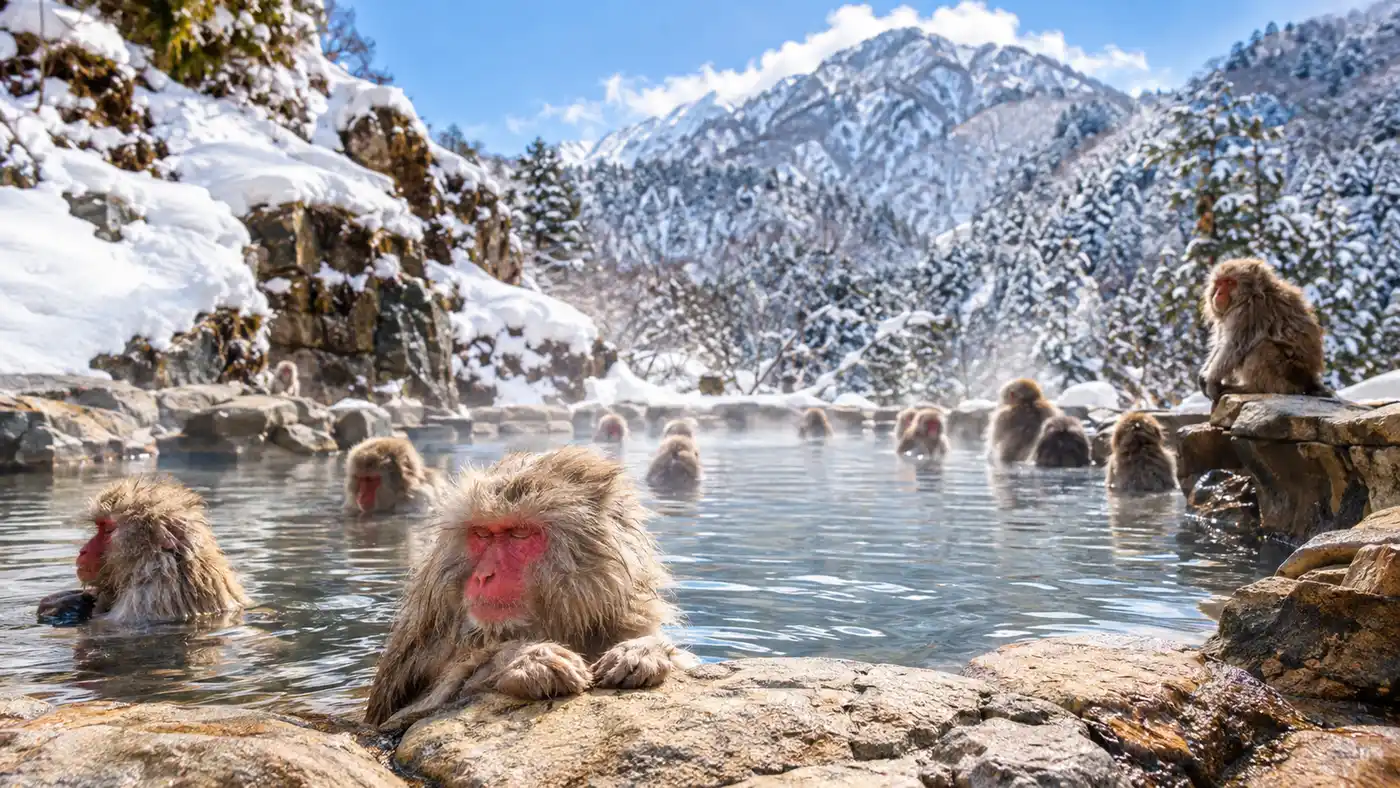
Snow Monkey Park Tours and Day Trips from Tokyo
You can wake up in a neon-lit hotel room in Shinjuku, grab a warm canned coffee from a vending machine, and find yourself staring at a wild macaque soaking in a geothermal pool by lunchtime. Booking an organized snow monkey park tour from tokyo takes the logistical headache out of navigating three different train lines, a rural bus route, and an icy mountain footpath. It is completely doable in a single day, though it will definitely test your stamina.
Most travelers wonder if traveling over 250 kilometers into the northern mountains of Nagano just to watch monkeys bathe is actually worth the train fare. If you plan it right, the trip turns out to be one of the most memorable days you will spend in Japan. Between the high-speed bullet train through the snow-capped Japanese Alps and the tranquil forest trek into Jigokudani, it feels like stepping straight out of a bustling metropolis and into a traditional ink wash painting.
Book your snow monkey park experience:
Can You Really Visit the Snow Monkeys on a Day Trip?
Yes, you can do a snow monkey park day trip from tokyo without booking an overnight stay. People do it every single week during the winter peak. You need to know upfront that roughly seven to eight hours of your day will be spent in transit. If you leave Tokyo Station around 7:20 in the morning on the Hokuriku Shinkansen, you pull into Nagano Station roughly an hour and twenty minutes later. That part is effortless.
The travel math changes once you step off the bullet train. The monkeys live in a steep ravine called Jigokudani - literally "Hell's Valley" - hidden deep in the mountains past the hot spring towns of Yudanaka and Shibu Onsen. From Nagano Station, you must catch a local express bus directly to Kanbayashi Onsen or take the local Nagano Dentetsu railway out to Yudanaka Station followed by another bus. Then comes the walk. Everyone walks the exact same path: a winding, 1.6-kilometer dirt trail through towering cedar trees that takes roughly 35 minutes on foot.
If you prefer figuring things out yourself, our complete transport guide to Snow Monkey Park breaks down every train transfer and local bus timetable in detail. But when you only have one free day in your itinerary, navigating unfamiliar rural bus stops in freezing temperatures can burn valuable daylight.
Pro tip: If you travel independently, grab the Kagayaki bullet train instead of the Hakutaka. The Kagayaki is fully reserved and skips smaller stops, getting you to Nagano Station in just 79 minutes flat.
Doing a day trip from tokyo to snow monkey park means you will get back to the city well after dark. Most people return to Tokyo Station around 7:30 or 8:00 in the evening. It is an exhausting day, but you will sleep like a stone on the train ride home.
Tokyo to Nagano Tour Options Compared
When you start researching tours from tokyo to snow monkeys, you will quickly realize there are two main formats. The first format is a comprehensive tour that picks you up directly in central Tokyo, puts you on a highway motorcoach, and drives the entire distance. The second format has you ride the Shinkansen independently to Nagano Station, where a local guide meets you on the platform with private transport for the rest of the day.
A direct bus tour departing from Shinjuku sounds relaxing because you do not have to change seats. Honestly, highway traffic leaving Tokyo can be brutal, especially on weekends and holidays. A bus trip that should take three and a half hours can easily balloon into five or six hours if snow storms hit the mountain passes or holiday skiers choke the Kan-etsu Expressway.
That is why booking a nagano monkey park tour that starts at Nagano Station is usually the smarter move. You use the unfailing punctuality of the Japanese bullet train network to escape Tokyo, bypass the highway jams entirely, and let local experts handle the icy mountain roads in small vans or private minibuses.
| Tour Format | Transit Time (One Way) | Typical Cost per Person | Key Advantages | Potential Drawbacks |
|---|---|---|---|---|
| Direct Highway Bus Tour | 4.5 to 5.5 hours | ¥15,000 - ¥19,000 | No train transfers; departs Tokyo directly | Vulnerable to highway traffic and snow delays |
| Shinkansen + Nagano Local Tour | 2.5 to 3 hours | ¥24,000 - ¥32,000 | Fast, reliable, includes lunch and Zenko-ji | Requires booking your own bullet train tickets |
| Fully Independent DIY Day Trip | 3 to 3.5 hours | ¥20,500 - ¥23,000 | Total freedom of timing; works with JR Pass | Self-navigating bus connections in the cold |
| Private Chauffeured Day Trip | 3 hours | ¥85,000 - ¥120,000 (per group) | Door-to-door hotel pickup; custom schedule | Highest price tag; requires early morning departure |
Some guided packages combine the jigokudani monkey park tour with a visit to Zenko-ji Temple in Nagano City. Zenko-ji is one of the oldest and most important Buddhist sites in Japan, founded in the 7th century. Walking down its historic temple approach lined with cedar wood shops while snacking on steamed oyaki dumplings breaks up the day nicely before heading into the mountains.
What a Realistic Tour Itinerary Looks Like
A snow monkey trip from tokyo runs on a fairly tight clock. Here is how a well-paced day trip actually unfolds from start to finish:
- 07:20 AM - Depart Tokyo: Board the Shinkansen at Tokyo Station or Ueno Station. You can eat breakfast on board while watching the urban sprawl fade into snowy farmland.
- 08:50 AM - Arrive in Nagano: Meet your local guide near the information center inside Nagano Station. Board a tour van or chartered coach.
- 09:30 AM - Zenko-ji Temple: Spend an hour wandering the temple grounds and stepping through the pitch-black underground passage beneath the main altar to touch the Key to Paradise.
- 11:30 AM - Local Nagano Lunch: Stop in the historic merchant town of Obuse or near Yamanouchi for hand-rolled buckwheat soba and hot tea.
- 01:00 PM - Kanbayashi Trailhead: Arrive at the base of the mountain and begin the 35-minute forest walk along the snow-covered cedar trail.
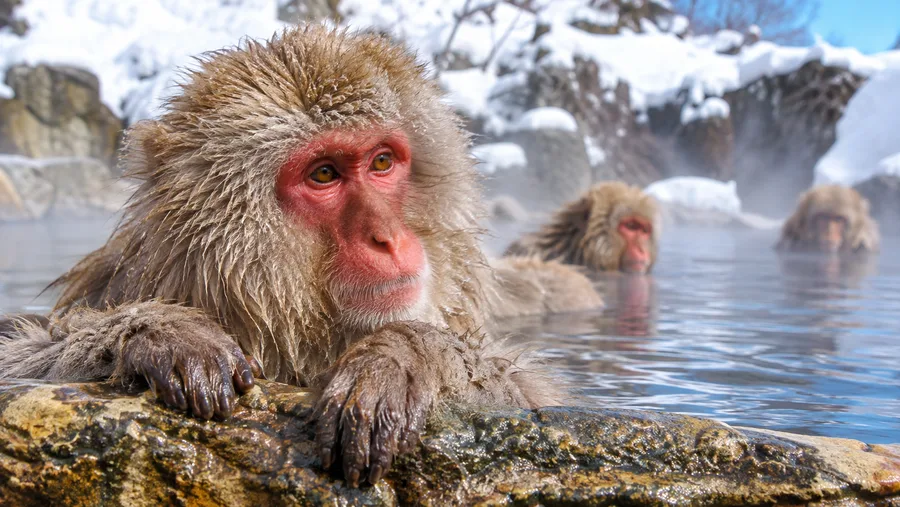
- 01:45 PM - Monkey Observation: Spend roughly 75 to 90 minutes inside Jigokudani Monkey Park watching the macaques interact, groom, and soak in the steaming riverbed bath.
- 03:30 PM - Return Walk: Walk back out of the valley to the tour bus, warming up with a hot drink from the gift shop.
- 05:30 PM - Back to Nagano Station: Catch your return bullet train, arriving back in central Tokyo by roughly 07:15 PM.
Timing your visit for midday actually works out well in the dead of winter. The temperatures drop fast once the sun dips behind the mountain ridges around 3:30 in the afternoon. When shadows stretch across the valley floor, the monkeys often leave the water and climb high into the forest canopy to huddle together for the night.
Book your snow monkey park experience:
The Forest Walk: What Most Tours Skim Over
Brochures often gloss over the walk from the parking area to the monkey bath. Tour buses are legally prohibited from driving past Kanbayashi Onsen because the valley belongs to a protected national park zone. No matter which tokyo to snow monkey park tour you pick, everyone walks the same distance.
The trail measures just under a mile. While it stays relatively level without steep staircases, the surface changes dramatically based on recent weather. Between late December and mid-March, packed snow quickly turns into slick, hard-packed ice. Tour groups with tourists wearing smooth city sneakers slip and slide everywhere. It is common to see people clutching trail railings just to stay upright.
Note: The trail is completely impassable for wheeled suitcases, strollers, and wheelchairs. If you travel with infants, bring a sturdy chest carrier, and leave your heavy luggage in the coin lockers at Nagano Station before joining your tour.
Sturdy waterproof boots with deep tread are mandatory. You can buy rubber slip-on shoe spikes at the small gift shop near the trailhead for about ¥1,400, and they will save your tailbone. The trees block the wind effectively, but the damp cold from the river creeps through light layers surprisingly fast. Wear thermal base layers, a fleece, a windproof outer coat, warm gloves, and a knit beanie.
If you find yourself wishing you had more time to soak in the mountain atmosphere instead of rushing back to Tokyo, you might want to look into the ryokan and onsen hotels near Snow Monkey Park. Spending the night in nearby Shibu Onsen lets you walk cobblestone lanes in a yukata robe and hit the hot springs yourself after a cold day on the trail.
Tour Booking Advice and Budget Realities
A good snow monkeys japan tour from tokyo requires some advance planning. Peak season runs straight through January and February when snow coverage is thickest and the macaques spend maximum time soaking in the steaming hot spring pool. Spots on guided day trips fill up three to four weeks ahead during these months.
If you prefer booking an all-inclusive jigokudani tour, pay close attention to what the ticket price actually covers:
- Park Admission: Check if the ¥800 adult park entry fee is baked into your tour cost or if you need cash at the gate. Most guided tours include it, but budget bus operators often exclude it.
- Meal Inclusions: Traditional hot soba lunches or multi-course bento boxes are frequently included in Nagano-based small group tours. If yours does not include lunch, bring snacks, as food choices near the trailhead are limited.
- Bullet Train Tickets: Many operators quote prices strictly for the Nagano portion. Round-trip Shinkansen tickets between Tokyo and Nagano cost around ¥16,400 ($105 to $110) per adult and must be factored into your total day budget.
- Winter Gear Rentals: Some premium tours provide crampons, walking poles, and snow boots at their Nagano depot. This saves you from lugging heavy snow boots around Tokyo for the rest of your vacation.
Solo travelers usually find group tours economical because hiring a private taxi from Nagano to the park can run ¥28,000 for the afternoon. If you hold an active JR Rail Pass, riding the Shinkansen costs nothing extra. In that case, catching the bullet train on your own and booking a half-day nagano snow monkey tour starting right at the Nagano Station east exit yields the best value for your money.
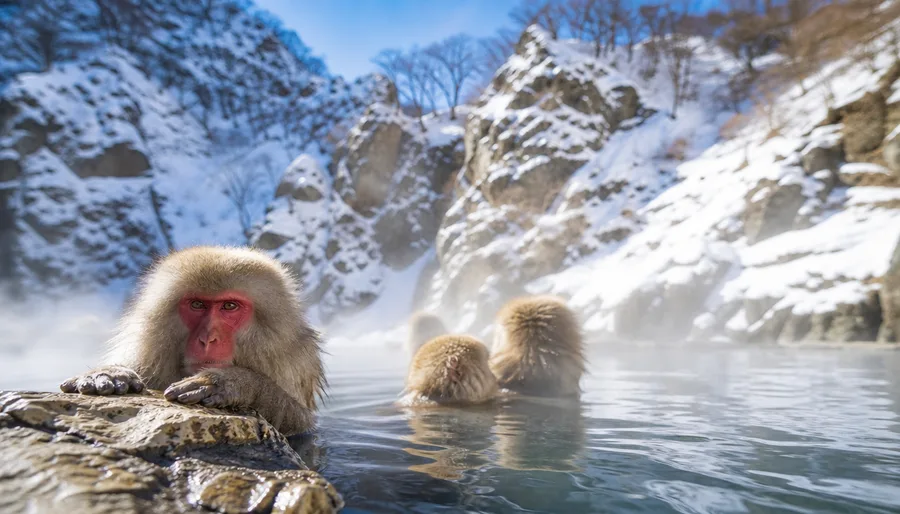
The wild monkeys are not trained circus performers, and they are not held in cages. Park rangers feed them small amounts of barley and seeds throughout the day to encourage them to stay near the open spring, but they remain wild animals free to roam the entire mountain range. On rare occasions, especially during unseasonably warm autumn days or the spring mating season, the troop may linger up on the high ridges and arrive late at the riverbank. Joining a guided excursion gives you the benefit of experienced guides who speak with the park rangers daily and adjust itinerary stops on the fly.
Frequently Asked Questions about snow monkey park tour from tokyo
Is a day trip from Tokyo worth it just to see the snow monkeys?
It is definitely worth doing if you visit during winter between December and March, when snow blankets the valley and the monkeys bathe constantly to stay warm. The scenic bullet train ride through the Japanese Alps combined with the peaceful forest hike makes the travel day feel like an adventure rather than dead transit time.
Can I touch or feed the monkeys during the tour?
No, touching, petting, or feeding the monkeys is strictly forbidden by park regulations. Even though the macaques are accustomed to human visitors and often brush right past your legs on the pathways, they are wild animals and may bite if cornered or provoked.
Do I need full winter hiking gear for the day trip?
You do not need technical alpine mountaineering gear, but you do need warm layers and sensible winter footwear. Waterproof boots with good traction are essential because the trail freezes into slippery packed ice. Avoid slick dress shoes, high heels, and running shoes with flat foam soles.
What happens if the monkeys do not come down to the bath?
In mid-winter, monkeys come down nearly every single day because the geothermal pool offers vital warmth in sub-zero temperatures. In warmer months like May or October, their visits can be irregular. Guided tours monitor the live camera feeds and park ranger updates every morning to coordinate arrival times.
Quick Reference
- Shinkansen travel time: 79 to 90 minutes each way
- Forest trail distance: 1.6 kilometers (about 35 minutes walk)
- Peak winter viewing window: January through late February
- Park entrance fee: ¥800 for adults, ¥400 for children
Book your snow monkey park experience:
Is It Worth It?
Making the trek out to Jigokudani from Tokyo is a big commitment for a single day, but it delivers one of the most unique wildlife encounters on earth. Watching infant monkeys groom each other along the rim of a steaming pool while snow falls through the pine branches is pure magic. If your schedule is tight and you want to skip the headache of coordinating rural train transfers and winter buses, locking down a dependable snow monkeys japan from tokyo tour takes the friction out of the journey so you can simply bundle up, step into the snow, and enjoy the show.
Read more about snow monkey park.